Tuesday, October 2, 2018

ORGANIZATIONAL SKILLS

ORGANIZATIONAL SKILLS

Organizational skills are crucial for many work experiences - so it's imperative that you showcase them on your resume. From working in the kitchen at your local fast food franchise to managing a doctor's office, your sense of organization shows that you have the focus, clarity, and strategic ability to fulfill a variety of tasks successfully. The following are important organizational skills you should list on your resume.
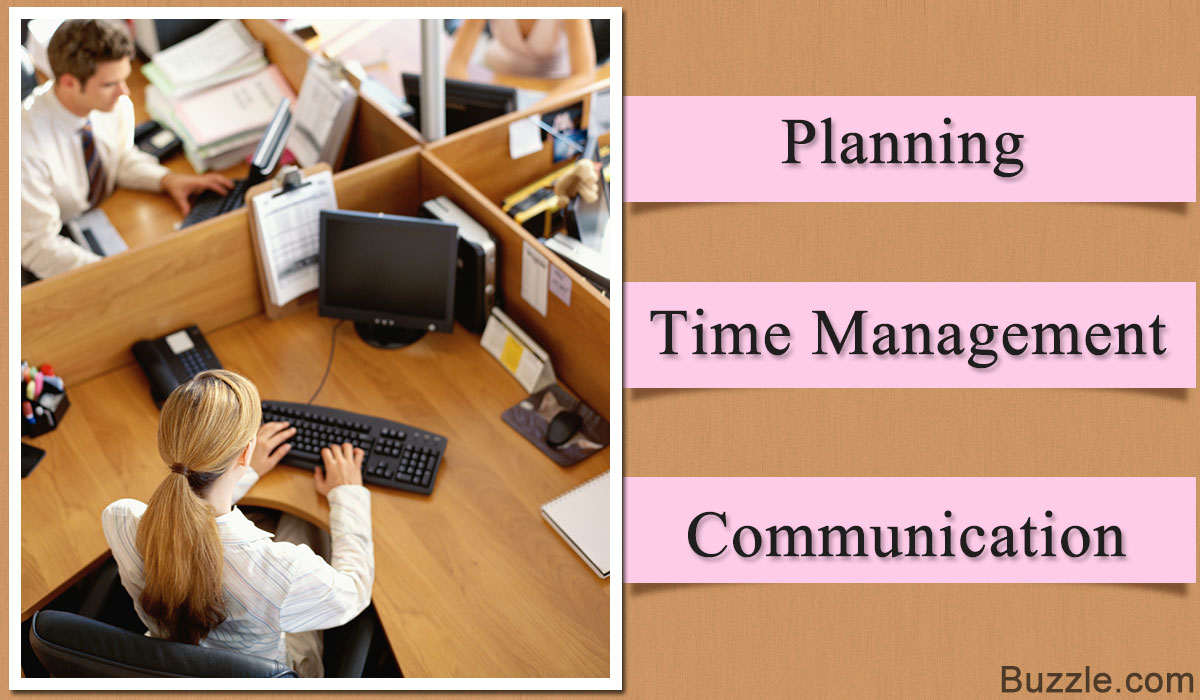


Image result for organization skills image


Time Management Skills

The point of a deadline is to keep tasks, and projects under control so that business operations can flow smoothly. In retail or restaurant jobs, time management is crucial for serving customers promptly and keeping them pacified even when it is busy. Time management is an important skill employers look for because without it, a business can lose clients, miss goals, fail in efficiency, or miss important time-specific opportunities. Time management requires a good sense of work gauge so that you can correctly allot the time needed for a task. But it's not just about scheduling. Good time management also requires discipline, quick thinking, knowing how and when to delegate, and knowing when to use strategies for dealing with procrastination, distraction, and even unplanned events.
A person with great time management skills can adapt to new problems and readjust as needed to complete an assignment. This combination of planning, scheduling, strategy, delegation, and adaptability are the kinds of traits that make an employee dependable, and employers look out for that. How do you list these types of skills on your resume?  Here are some organizational skills example buzzwords and terms related to time management:
  • Creating and keeping deadlines
  • Delegation
  • Goal setting and meeting goals
  • Decision making
  • Managing appointments
  • Team management
  • Project management
  • Making schedules


Image result for organization skills image

Mental organizational Skills

Many jobs demand strong focus, concentration, clear, coherent thinking, and good memory - all traits of a mentally adept and alert person. Mental organization skills allow you to process information quickly, translate thoughts to clear and articulate communication, and focus on fine details correctly. Mental organization can also apply to the way you use tools and strategies to aid mental tasks.
  • Analysis
  • Assessment and evaluation
  • Listening skills
  • Communication
  • Creative thinking
  • Working with data
  • Design
  • Taking notes

Image result for organization skills image

Physical organization Skills

Keeping your work space - whether that's your desk, restaurant kitchen, or desktop computer - neat and functional is another important organizational skill. Clutter all over your desk spells coming trouble. It's just a matter of time before items get misplaced, lost, or accidentally damaged. Examples of physical organization skills are keeping track of items as they're used, returning items to their places after use, and creating and developing sensible strategies and physical solutions for facilitating work flow, cleanliness, and efficiency in a work space. Skills you could put on your resume that show physical organization include:
  • Filing
  • Record keeping
  • Office solutions
  • Office management
  • Resource management
  • Stock inventory
  • Multitasking

Thursday, September 27, 2018

how to improve yourself


HOW TO IMPROVE YOURSELF

There is no recipe for being a good person. Stereotypes if there is any, however, don’t say anything. Feeling useful and good about yourself, giving your 100% and believing that you are doing things the best way, is the only thing that matters when measuring what kind of person you are. In order to feel that way, you must constantly be overcoming yourself. And here are 20 ways that can help you do it:

  • READ LITTLE BIT EVERYDAY : Books are a concentrated source of wisdom. The more you read, the more you expose yourself to knowledge. In addition, experts have shown that 20 minutes of reading daily, collaborate with brain stimulation and stress Reduction.Practical Ways To Improve Yourself Every Day

  • LEARN TO PLAY CHESS(OR ANY STRATEGY GAME) :Chess is an incredible game to learn from strategies and to improve the power of your brain. Playing chess, besides entertainment, you are exercising your analytical skills. You can also learn about strategies in other table or computer games.Practical Ways To Improve Yourself Every Day
  • LEARN NEW LANGUAGE : Learning new languages without a particular need, develops and opens our minds. It is beneficial to our academic and work environment and allows you to get to know other cultures.
  • HAVE A NEW HOBBY :Consider if there is something new that you would like to try. You can learn a new sport or enroll in cooking, dancing or craft workshops. Learning something new requires you to grow in various areas, whether physical, mental or emotional.
  • TAKE A NEW COURSE : Courses are a good way to gain knowledge and learn skills. It doesn’t have to be a long course. The seminars and workshops fulfill the same function. They give you a knowledge and also, improve your resume.
  • CREATE A ROOM THAT INSPIRE YOU : The environment in which you are affects your mood and tone. If you live in a place that inspires you, you will be inspired every day. Order it and clean it frequently, and don’t let anyone do it for you. Caring about these details helps you to be organized in other areas as well.
  • IMPROVE YOUR SKILL : Earn experience to improve your skills. If you play a sport, you can strive to be stronger or faster for example. If you write, you can aim to improve your writing skills, and so on. Growing up in this aspect will make you feel better in everything you set out to do, motivate you and make you more tolerant of frustration.
  • WAKE  UP EARLY : It is known that early awakening improves our productivity and quality of life. When you wake up early, your mind is more proactive and that moves you during the day. It is also advisable to do everything possible to sleep 8 hours a day.
Practical Ways To Improve Yourself Every Day

  • GET OUT OF YOUR COMFORT ZONE : A real growth comes with hard work and effort. Being very comfortable doesn’t help us grow, it makes us stanch. Recognize your comfort zone and evaluate if you stay there most of the time. Shuffle your routine a bit and do something different. Exposing yourself to a new environment or context makes you grow. Because you have to learn to act in new circumstances.
  • REDUCE THE TIME YOU SPENDING CHATTING :I realized that having an open chat program always entails a lot of time lost. This time you could spend better on other activities. When you really need to chat and have time for it, do it.
  • LEAVE A BAD HABIT : Are you not doing the exercises? Are you always late? Do you spend a lot of time in your armchair?  Eat your nails? Do you smoke? To leave a bad habit, the first thing to do is to recognize that we have it. Then identify how it affects you, look for a substitute and mostly avoid situations that motivate you to do those bad things. It is also important that you reward yourself as you progress.

Monday, September 24, 2018

social skills and manners

SOCIAL SKILLS AND MANNERS


“Manners” are a set of behaviors which have been regionally agreed upon as a means of providing group cohesion and cooperation. They can differ greatly between countries, states, towns, or even households, and so it becomes imperative to limit your expectations for the behavior of another. We can't possibly know the social norms embedded in each and every individual we encounter, so modern day good manners just include being thoughtful and open-minded and receptive to differences.


First, let me explain that "manners" and "mannerism" are very different things. "Manners" refers to polite social behaviour. A "mannerism" is an idiosyncratic habitual behaviour -- an odd quirk that a person does repeatedly. Your mannerisms drive your spouse and children crazy. 


Basically, manners is a way in which something is done. I am going to assume you mean good manners. Good manners usually express the norm, or what is expected. Manners, or etiquette, are the things you do to make others feel welcomed and comfortable. They also are designed to let people know that when someone does something nice for you, you should always thank them, either in person, or by a thank you note. When talking about dinner table manners it means to eat in such a way that you do not gross people out.